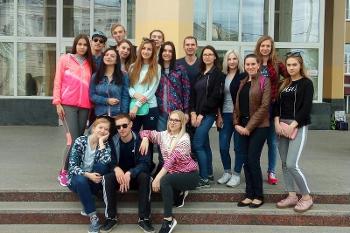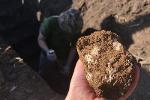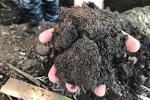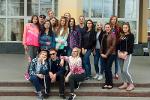

Second year students from the Department of Soil Studies and Land Resources Management of the Faculty of Biomedical Sciences of Voronezh State University completed practical training dedicated to the study of soil cover of natural zones.
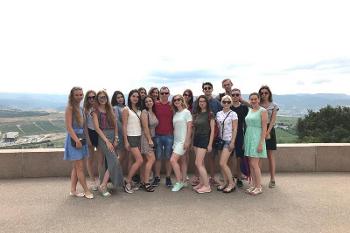
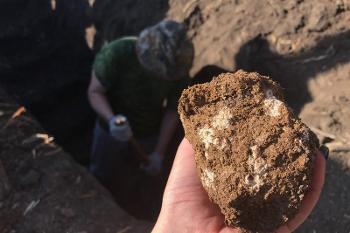
Their route included the Rostov region, the Krasnodar region, and the Republic of Crimea. During the practice, the students learnt more about the natural environment and soil of forest steppe, steppe, dry steppe, and dry subtropics zones. In the Rostov region the students had an opportunity to solidify the theoretical knowledge of genesis and diagnostic peculiarities of black soils of normal and chestnut soils. The students found so called ciscaucasian black soil in the Krasnodar region particularly impressive. This soil produces the biggest harvest of main cereal and clean-cultivated crops in the country.
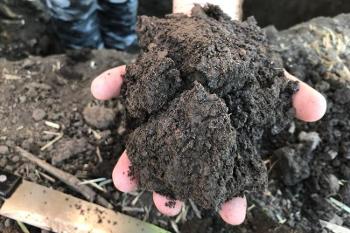
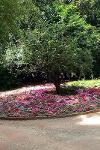
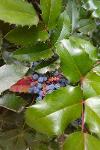
The main base for the training was in the Republic of Crimea in Nikitsky botanical garden (Yalta, resort and urban-type settlement Nikita). It was not for the first time that the colleagues from Crimea welcomed our students. The department of agroecology of Nikitsky botanical garden has a section dedicated to soil scientists from VSU. A monolith of Voronezh black soil which had been brought as a present from the Paninsk region takes a prominent position among other exhibits. It should be noted that it was presented at the second world exhibition in Paris. The exhibition focus on the national conference dedicated to black soils which took place at Voronezh State University in 2017 and was dedicated to the 80th anniversary of the Department of Soil Studies and Land Resources Management.
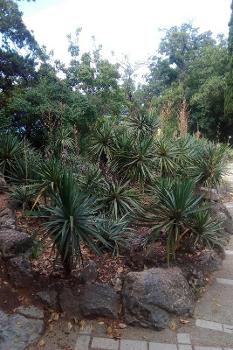
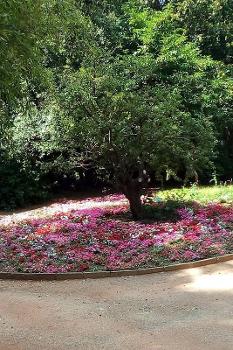
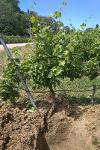
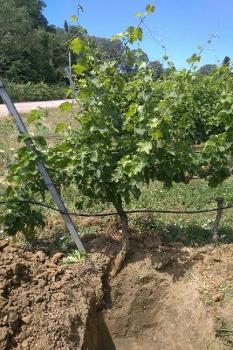
In Crimea, students learnt about the unique and most beautiful brown forest soils. They also visited facilities of Sevastopol champagne factory where they had a chance to learn about the biological system of grape growing and the soils of the facilities.
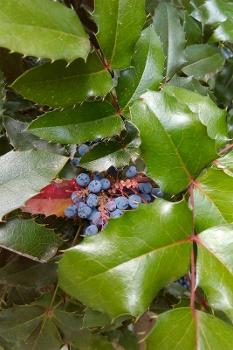
Excursions were most memorable: in Nikitsky botanical garden they learnt about the vegetation which can be found on all continents of our planet. During the trip to Cape Martyan Reserve, they studied the soil cover and admired the stunning views of the main range of the Crimean Mountains and the Black sea coast. The practical training allowed the students to strengthen their theoretical knowledge and to develop professional skills in the field of soil studies.