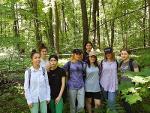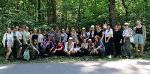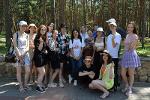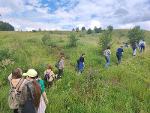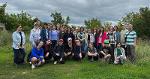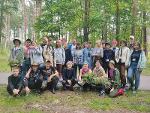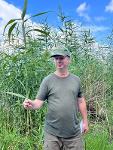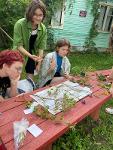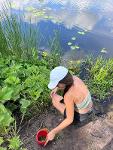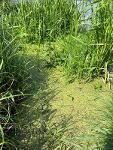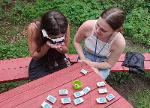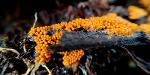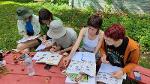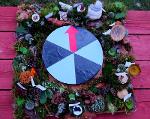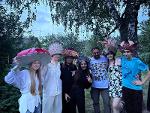

Between 4 and 26 July, first year students from the Faculty of Biomedical Sciences of VSU completed a field study dedicated to the diversity of the regional flora: they identified plants and fungi of the Voronezh Region. This kind of event is traditional for the faculty: it allows students to consolidate the knowledge which they have gained in the laboratory classes in Botany and lays the foundations for environmental thinking.
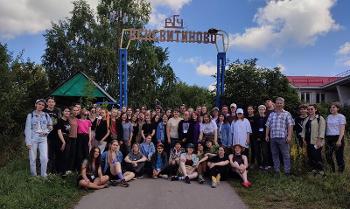
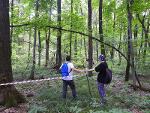
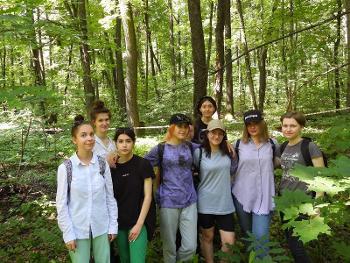
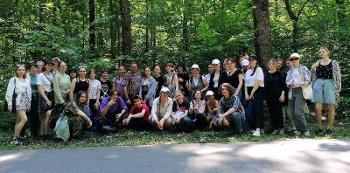
The first part of the field study took place at the regional State Nature Reserve “Voronezh Upland Oak Forest”. Biology students got acquainted with the variety of plants and fungi, learned to make geobotanical descriptions of forest areas, learned what a sample area, abundance, and plant cover are.
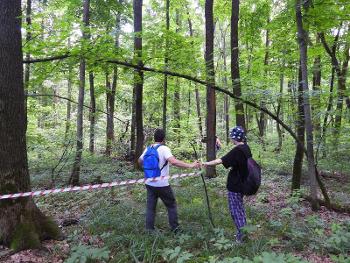
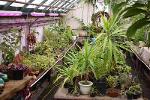
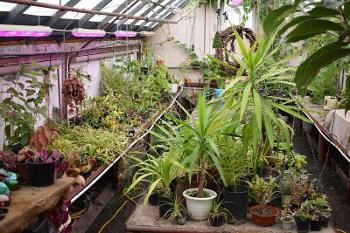
In the greenhouses of the Kozo-Polyansky Botanical Garden, the first year students learned about cultivated plants and saw the most valuable collections of woody, shrubby, and herbaceous plants.
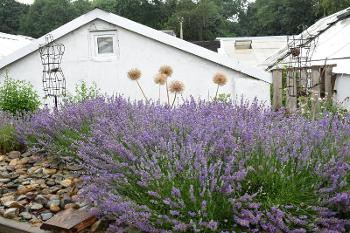
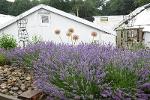
On the walkways of the Tanais Park, biologists came across a large number of ornamental plants, learned about Alpine rock gardens, and methods of growing plants in flowerbeds in parks of large cities.
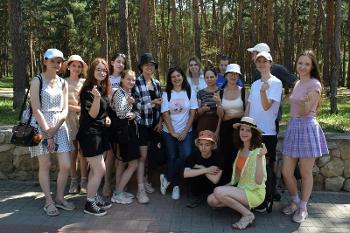
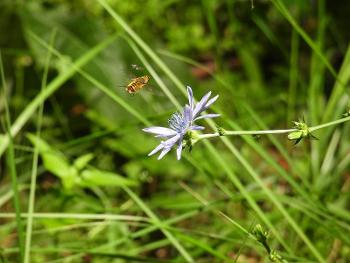
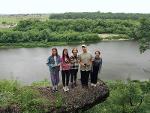
The students also had a trip to the Galichya Gora Nature Reserve in the Lipetsk Region, the venue for the field studies and internships for biology, soil, and ecology students from the Faculty of Biomedical Sciences. Students got acquainted with the variety of plants in the area, saw the unique Devonian slopes and Vorgol rocks, and learned about the history of the creation of the nature reserve and its protected territories.
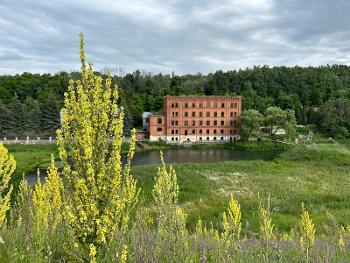
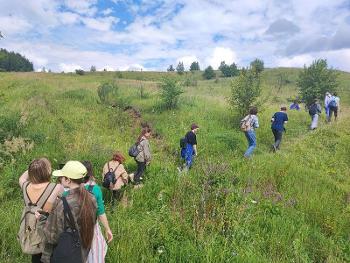
“The trip to Galichya Gora turned out to be entertaining and interesting. Lecturers told us about plants growing in the nature reserve and nearby. They let us go down to the river and walk near the cave. I’ll never forget this experience! I will always remember a breath-taking view from the cliff over the Don,” said Alik Poghosyan, a student from the Faculty of Biomedical Sciences.
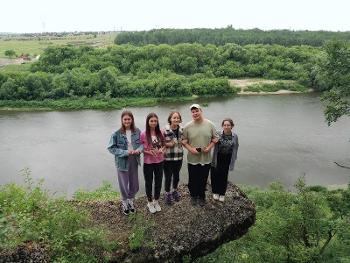
“The trip to Galichya Gora has been one of the best trips in my life. I’ve learnt a lot of new things. What’s more, I had a great time with friends and helpful lecturers. The flora of this place is incredible. I just can’t get my head around how nature could create such beautiful and complex plant organisms with extraordinary properties. Why do they grow in an area where they are not supposed to be? Climbing mountains was one of my favourite parts of this tour. I won’t forget the feeling I had when I was climbing a rock together with my friends: I felt like a real climber then,” said Irina Manukovskaya, a student from the Faculty of Biomedical Sciences.
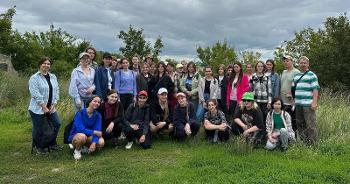
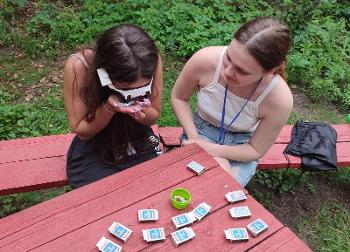
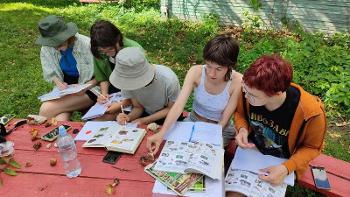
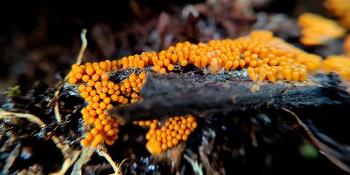
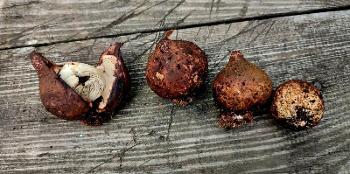
The second part of the botanical field study took place in the Usmansky Pinewood Forest in the vicinity of the VSU Venevitinovo Biocentre, a zoological station of the university. Students learnt about new modern methods of identifying plants and fungi and methods for drying and herbarisation of field material. During the trips to the communities of the Usmansky Pinewood Forest, the first year students studied the diversity of the flora and mycobiota of the region and revealed the differences between the leading families of higher plants.
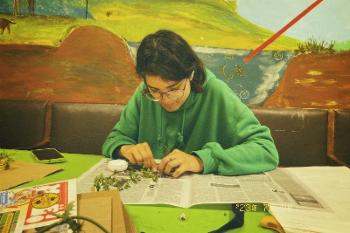
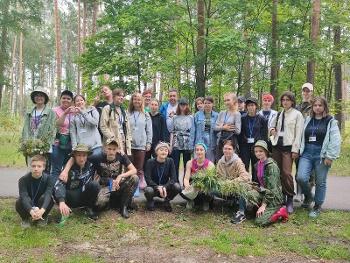
Biologists paid special attention to the ecological features and resource value of plants used in the food, medical, and textile industries, and perfumery products.
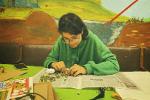
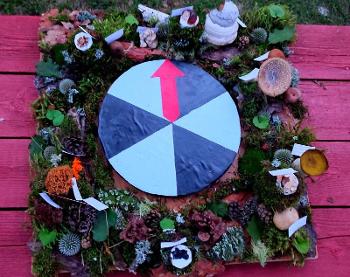
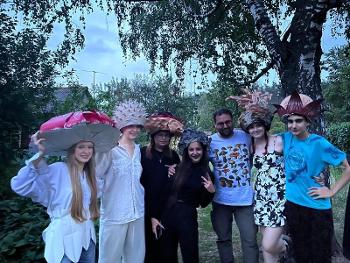
“We had exciting trips and work in laboratories and the lecturers gave us a chance to show our skills and talents. We prepared and conducted excursions, prepared for the final scientific student conference, were engaged in creative work, which we really enjoyed. The lecturers showed us the Department of Botany and Mycology in a new perspective. We always had shovels on us ready to find worthy herbarium samples, were out scouting the Biocentre for plant to pass the test called “Gather a bouquet”, and in our free time we created scenery for the conference,” said Natalia Elfimova, a student from the Faculty of Biomedical Sciences.
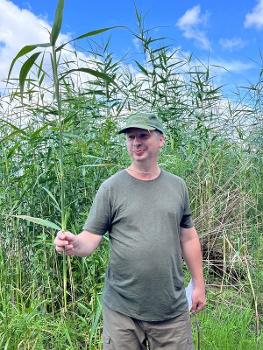
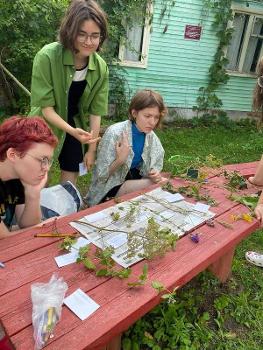
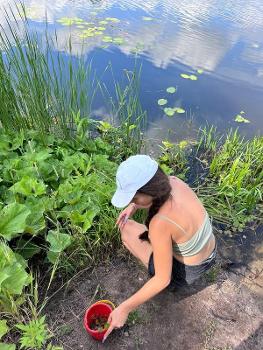
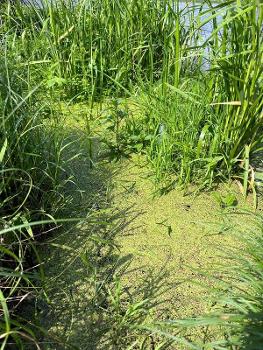
Students had to take a test which checked their knowledge of Latin names of plants and fungi, their ability to recognise plants and their families in nature and conduct excursions. Also, to pass the test the students had to take part in the final conference for first year students.
“The field study reminded us of a roller coaster with lots of ups and downs. But all in all, it was fun. We learnt a lot of new things and had a really good time,” said Victoria Denisova, a student from the Faculty of Biomedical Sciences.
The field study concluded with a scientific student conference. Students presented their reports on botanical and mycological topics: “Wild Edible Plants”, “Myrmecochorous Plants of the Usmansky Pinewood Forest”, “Medicinal Plants of the Usmansky Pinewood Forest”, and “Poisonous and Edible Fungi of the Voronezh Region”. The students showed a lot of knowledge, creativity, and skill.
“Field studies at the Faculty of Biomedical Sciences contribute to the development of professional qualities among biology students: They do not only study living objects from different angles in their natural habitat, but also learn to work in teams and develop their leadership qualities and a sense of responsibility. For many years, I have seen students develop scientific interest to the objects which they will study in the future as part of their professional life,” said Gavriil Melkumov, Deputy Dean of the Faculty of Biomedical Sciences, Associate Professor at the Department of Botany and Mycology.